Buying a Presale Condo or Townhouse in Surrey and Langley: Deposits, Disclosure and Your 7-Day Window
Published .
A plain-language guide to B.C. presale rules for Surrey and Langley buyers: developer disclosure, when the REDMA seven-day cancellation window starts, deposits in trust, assignments, GST rebates, financing risk, delays, warranties and strata costs.
Buying a home that is not finished yet is different from buying a resale condo or townhouse. In British Columbia, many new strata projects are marketed under the Real Estate Development Marketing Act (REDMA). That law sets rules for disclosure statements, deposits, and a seven-day right to cancel. This guide walks through those rules in plain language for buyers looking at Surrey, Langley, and nearby Fraser Valley projects.
This is general information, not legal, tax, mortgage, or investment advice. Presale contracts are long and project-specific. Before you sign, have a lawyer or notary review the purchase agreement and disclosure package, speak with a licensed mortgage professional about financing, and ask a tax advisor about GST and any rebate you might claim. Nothing here guarantees a resale value, an approval, a completion date, an exemption, or a rebate.
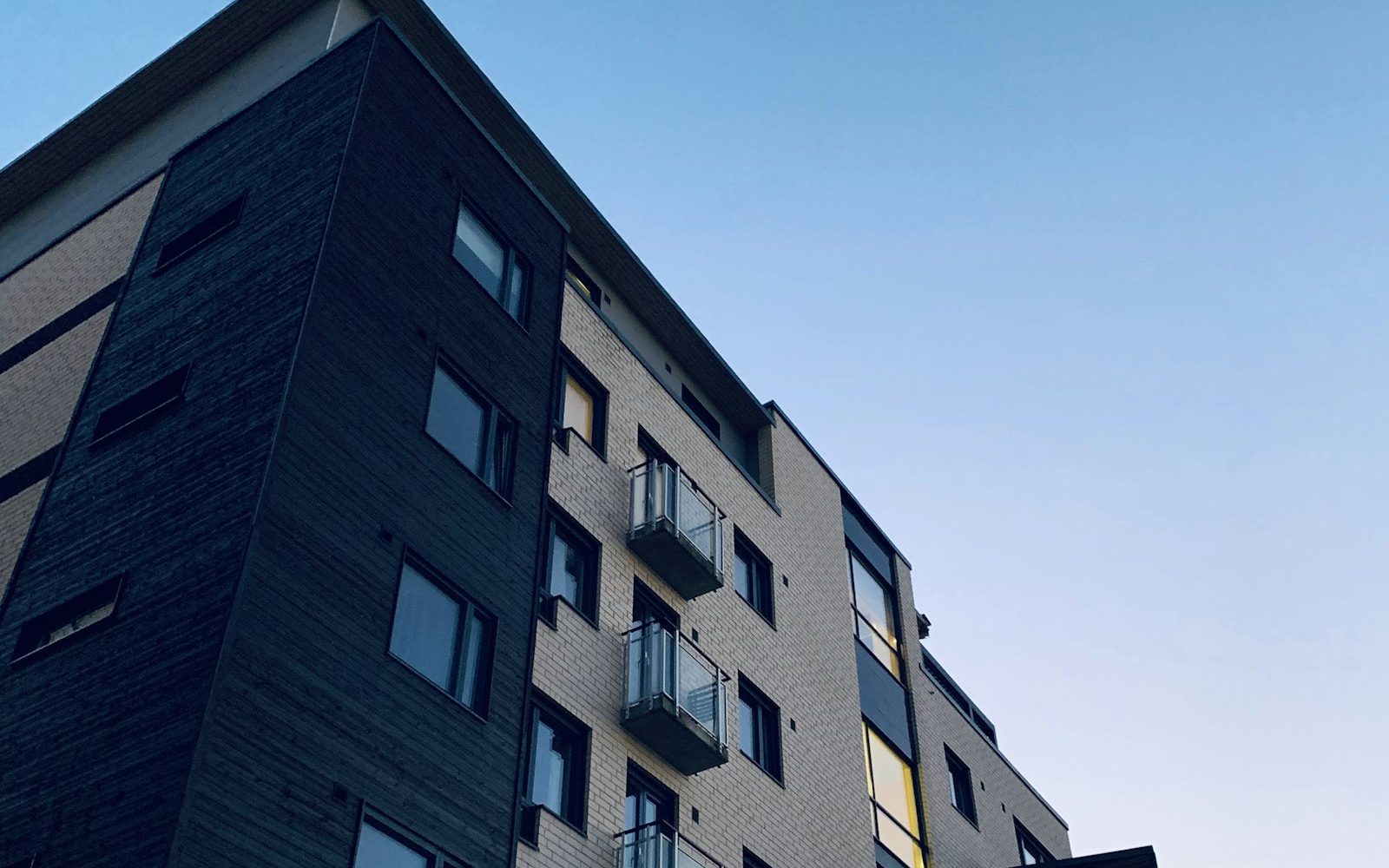
Illustrative stock photo only. Not an actual Surrey or Langley listing or development.
What “presale” means
A residential presale (also called a pre-sale or pre-construction purchase) is when you agree to buy a condo or townhouse unit before construction is finished—and often before it has started. You are contracting for a future strata lot, not walking through a finished home with current strata documents in hand.
BCFSA notes common risks: construction delays that can extend or end a contract, price rises, and price declines that can leave you with less equity than you expected when the building completes. An assignment buyer inherits the same project risks.
The disclosure statement (and amendments)
Before a developer can market most multi-unit residential development units in B.C., the Real Estate Development Marketing Act (REDMA) requires a disclosure statement filed with the Superintendent of Real Estate (through BCFSA). The statement must plainly disclose material facts, set out your rescission rights, and be signed as required.
Material facts include things that affect, or could reasonably be expected to affect, value, price, or use—plus the developer’s identity and certain insolvency events. If a material fact is omitted, changed, or misrepresented, the developer generally must file an amendment (or, in some serious cases, a new disclosure statement) and provide it to purchasers who have not yet received title.
You are entitled to a copy of the filed disclosure statement, and of filed amendments, before entering into the purchase agreement. The developer must give you a reasonable chance to read it and must obtain your written acknowledgement that you had an opportunity to read it. Ask your lawyer to flag timelines, deposit schedules, assignment rules, parking and storage, proposed strata fees, and rental or age restrictions.
Pre-sale summary form (newer filings)
For many new disclosure statements filed on or after April 1, 2025, where BCFSA Policy Statement 14 applies, developers must attach BCFSA’s “Summary of Pre-sale Risks and Buyer Rights” form at the front of the disclosure statement. Older filings are not automatically required to add that summary later. Treat the summary as a starting map, not a substitute for the full disclosure statement and contract.
Your seven-day REDMA window—when the clock starts
Under REDMA section 21(2), you may rescind (cancel) the purchase agreement by serving written notice on the developer within 7 days after the later of:
the date the purchase agreement was made, and
the date the developer obtained your written statement acknowledging that you had an opportunity to read the disclosure statement (or a required new disclosure statement).
The seven days start on the later of those two dates—the date your purchase agreement was made, and the date the developer obtained your written acknowledgement that you had an opportunity to read the disclosure statement. Receiving an amendment later does not by itself give a new seven-day right. When the right is exercised correctly, the developer must tell the deposit holder, and the deposit must be returned promptly.
The Real Estate Development Marketing Regulation says you may serve a signed notice in person or by registered mail to the developer or the developer’s brokerage, using the address shown in the disclosure statement or in your purchase agreement. Keep proof of delivery, and have your lawyer confirm timing and wording.
REDMA also describes other cancellation situations—for example if you were entitled to a disclosure statement and did not receive it, or in certain cases involving missing amendments or unmet financing / building-permit conditions described in BCFSA consumer materials. Those rights have their own tests and time limits. Get legal advice before relying on them.
This is not the three-business-day home buyer rescission period
B.C. also has a Home Buyer Rescission Period (HBRP) under the Property Law Act. For many resale residential purchases, a buyer generally has three business days after offer acceptance to rescind and must pay a 0.25% rescission fee.
Presale development-unit contracts that fall under REDMA section 21 are carved out.Property Law Act section 42(2) says the HBRP right does not apply to a contract of purchase and sale to which REDMA section 21 applies. So for a typical REDMA presale, plan around the seven-day window above—not the three-business-day / 0.25% resale regime. Your lawyer should confirm which rules apply to your contract.
Deposits: schedules, trust and deposit insurance
Deposit amounts and due dates are set by the purchase agreement, not by a single province-wide percentage. Many projects stage deposits (an initial payment on signing and further payments later). Read every due date. Missing a deposit can allow the developer, under the contract and REDMA section 18(4), to cancel and treat the deposit as forfeited if the agreement says so.
REDMA section 18 requires a developer who receives a deposit to place it promptly with a brokerage, lawyer, notary public, or prescribed person. That person holds the money in trust in a B.C. savings institution for both you and the developer—not as either party’s agent. Release is tightly limited (completion milestones, mutual consent, court order, valid rescission, and a few other statutory paths).
REDMA section 19 allows a developer to use deposits for the developer’s own purposes related to that development (including construction and marketing) only if the developer has a deposit protection contract (insurance under the Insurance Act) for that deposit and gives notice in the disclosure statement (insurer name and address, developer name, and effective date). If the developer uses deposit protection insurance, the deposit protection contract must cover the loss of your deposit, and any interest the developer agreed to pay you, if the developer fails both to complete the required steps (such as filing the strata plan, obtaining occupancy approval and transferring title) within the time set in your purchase agreement and to return your deposit as the agreement requires. It is deposit protection, not protection against price changes or other costs. Ask in writing who holds your deposit and whether deposit protection insurance applies.
Assignments: consent, fees, reporting and tax
An assignment transfers some or all of your rights and obligations under the purchase agreement to someone else before you take title. Unless the developer does not permit assignments, REDMA requires the agreement to prohibit assignment without the developer’s prior consent, and requires the developer to collect prescribed information and report assignments (the Condo and Strata Assignment Integrity Register process).
Assignment fees, if any, are contractual—check the purchase agreement. BCFSA warns that if an assigned contract does not complete, an assignment fee paid to the developer and any premium paid to the assignor may not be recoverable.
On tax: provincial guidance for pre-sold strata units generally bases property transfer tax on the total amount paid to acquire the property, including upgrades and any assignment premium, when those rules apply. Assignment profits can also have income-tax consequences, and additional foreign-buyer tax rules can apply in some situations. Two other taxes are specific to presale assignments. B.C.’s home flipping tax can apply to the profit from assigning a presale contract less than 730 days after you entered into it: 20% of net taxable income if disposed of within 365 days, decreasing over the next 365 days, and no longer applying at 730 days. Exemptions may apply, for example if the estimated completion date is delayed by more than 365 days, and a separate return may be due within 90 days of the sale. Separately, GST generally applies to assignment sales of newly built homes, although an amount the assignment agreement identifies in writing as reimbursing the original deposit can be excluded. Get tax advice before you assign a contract or buy an assignment.
GST and rebates—proceed carefully
New housing in B.C. is often sold with GST. Rebate rules depend on your facts (price, primary residence, first occupant, citizenship or residency, and the timing of the agreement).
The federal First-Time Home Buyers’ (FTHB) GST rebate can return up to 100% of the GST on a new home bought from a builder, to a maximum of $50,000, for homes up to $1 million. The rebate is reduced between $1 million and $1.5 million, and none is available at $1.5 million or more. The agreement with the builder must be signed on or after March 20, 2025 and before 2031, and other timing conditions apply. Generally you must be at least 18, a Canadian citizen or permanent resident, a first-time home buyer when ownership transfers to you, buying the home as your primary place of residence, and its first occupant. Buying an assignment? If the original agreement with the builder was signed before March 20, 2025, CRA deems it to have been entered into before that date even after it is assigned, so no FTHB rebate is available. The older GST new housing rebate may apply in some cases, but it is capped at $6,300, is reduced for homes valued between $350,000 and $450,000, and is not available at $450,000 or more. Confirm eligibility with CRA or a tax professional before relying on any rebate. A sales-centre estimate is not CRA approval.
Financing, appraisal, rates and closing funds
Presale buyers often remove financing subjects years before completion. Your pre-approval can expire. Rates, stress-test rules, income, and credit can change. Lenders may order an appraisal closer to completion; if value comes in below the purchase price, you may need more cash or different financing. You must still fund remaining deposits, closing costs, GST net of any actual rebate, and strata move-in fees. Revisit the mortgage file as completion nears. For related reading, see the B.C. pre-approval guide and closing costs guide.
Delays, completion, warranties and strata costs
Purchase agreements often include estimated completion windows, extension rights, and outside dates after which one or both parties may terminate. Read those clauses with your lawyer.
Near completion, expect a walk-through and deficiency list. New homes built by licensed residential builders in B.C. generally require third-party home warranty insurance (often described as 2-5-10 coverage for materials and labour, building envelope, and structure, with important limits and start dates). Coverage usually stays with the home—read the policy.
Budget for ongoing strata costs: monthly fees, contingency contributions, special levies, insurance deductibles, parking or storage, and bylaw limits. Presale fee estimates can change after the strata corporation is operating. Also budget legal fees, adjustments, and property transfer tax (or confirm any exemption with your conveyancer—exemptions are not automatic). For resale strata checks, see buying a condo or townhouse in Surrey.
How I can help
If you are comparing a Surrey or Langley presale with a resale condo or townhouse, I can help you gather the listing and disclosure materials, connect you with a real estate lawyer and mortgage professional, and walk through practical questions before you sign. Better Call Saund at 778-968-2270, or use the contact page.
Tanveer Saund is a licensed real estate representative with Rexara Realty Inc., 287-8128 128 Street, Surrey, BC V3W 1R1.